


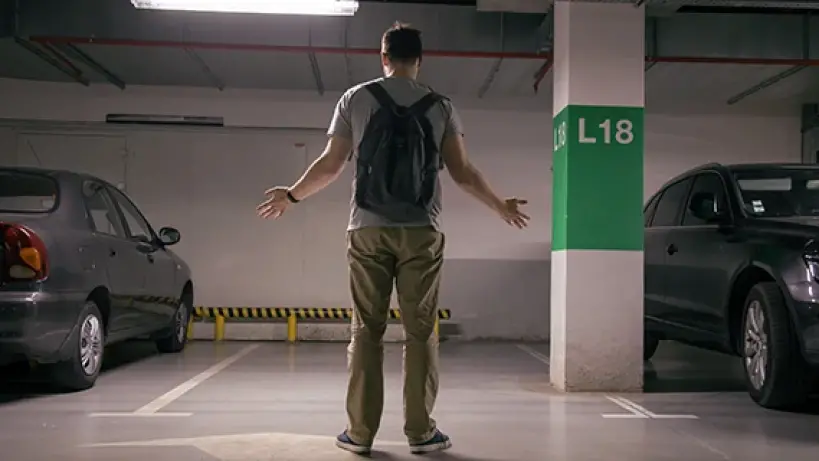
Standing by my garden gate, car key in hand, I was bewildered. My car wasn't where I left it. The initial thought was maybe I parked elsewhere due to a busy street. But reality hit quickly. My car had been stolen.
Police officers arrived at my home and informed me that my car had been captured by a number plate recognition camera shortly after midnight in Glasgow, 20 miles from my location. Sadly, the trail ended there.
In the following weeks, I joined the ranks of about 130,000 UK drivers facing the aftermath of car theft every year. It involved filing a police report, dealing with insurance claims, and the daunting task of purchasing a replacement vehicle.
During this time, I learned several unexpected things about the evolving tactics of car thieves.
Thieves No Longer Need the Key to Steal Cars
Since the 1990s, cars have been equipped with coded keys containing electronic microchips paired with engine immobilisers. This was intended to make car theft without a key nearly impossible, yet thieves have adapted. How? Police officers explained a method known as the "relay attack." One criminal stands close to the property where car keys are typically kept, like the kitchen or hallway. They use a device to capture the radio signal from the key fob, relaying it to an accomplice by the car. If the car has keyless ignition, they simply press the start button and drive away. It's that swift.
Another method is the "CAN bus attack," where thieves plug into a car's wiring network, sending fake messages to the electronic control system and bypassing the immobiliser. These devices, often sold on the Dark Web or via encrypted messaging, can be costly. Yet, for organised car theft gangs, it's seen as a business investment.
A Fridge Can Protect Your Keys, But There's a Better Solution
Sharing my story, a colleague suggested keeping keys in a fridge or microwave. It's basic science—surrounding the key with metal blocks the signal, preventing it from being cloned. My replacement car keys shared space with groceries until I bought a more practical solution—a Faraday pouch. These signal-blocking pouches cost under a fiver and are lined with metal mesh or foil.
At Police Scotland's national training centre, Sgt Ally Mackay demonstrated these pouches and advised replacing them every few years, as their effectiveness diminishes over time.
Even Old Cars Hold Value
My stolen car was a 12-year-old Ford Fiesta with 100,000 miles, not exactly a high-value target. Initially, I suspected joyriding teens, but a motor trade insider suggested it was likely stolen for its engine. Vince Wise, a car theft expert, concurred, noting that low-value cars often end up in "chop shops," where they're dismantled for parts.
Police data indicated Fiestas are common targets in Scotland, with 534 stolen over 18 months. The popularity of these vehicles and the high cost of original parts drive demand for second-hand spares, inadvertently incentivising theft.
High-End Stolen Cars Often Go Overseas
While older cars like mine might not travel far, high-value vehicles are often shipped abroad. The global shipping container industry has simplified exporting entire vehicles. Vince Wise recounted intercepting stolen cars destined for Africa, where right-hand drive vehicles are sought after in former British colonies. Other regions, including Eastern Europe and the Middle East, also see such exports.
Simple Security Measures Can Be Highly Effective
Experts recommend installing a tracker to improve recovery chances for stolen vehicles. UK police endorse "secured by design" devices. Surprisingly, basic security measures like strategic parking, ensuring visibility, and using simple physical devices like steering wheel locks are also effective deterrents. Manually checking locks and using Faraday pouches for key protection are advised. Criminals are deterred by visible security efforts.
Car Theft Is Becoming More Sophisticated
Car theft has become professionalised and linked to organised crime, leading to an ongoing "arms race" between criminals and manufacturers. Thefts in England and Wales have risen by 75% over a decade, reversing earlier declines. Northern Ireland saw a fall in thefts, while Scotland's numbers remain stable. However, experts warn that new methods can take years to spread.
Months after my car was stolen, there have been no updates. My insurers settled the claim, and I've since acquired a new car. However, police emphasize car theft is not victimless, as costs ultimately impact all drivers through higher insurance premiums.



Comments
Log in to write a comment