


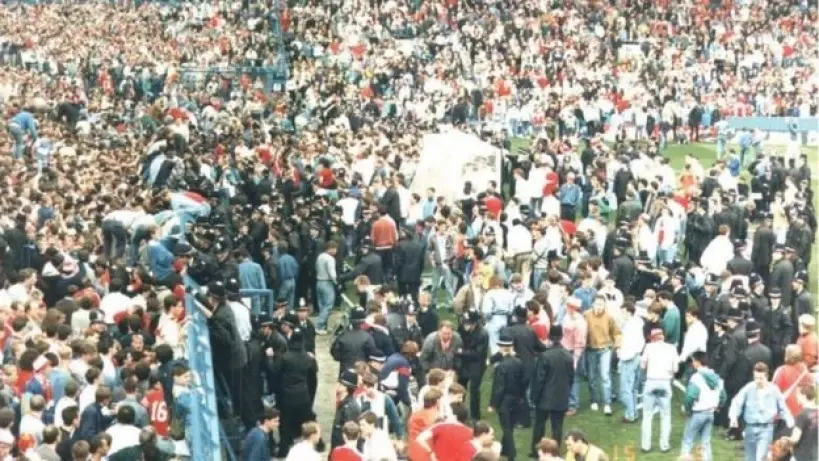
For Jenni Hicks, the haunting memories of her daughters—Victoria and Sarah—serve as a constant reminder of a tragic day in April 1989. These teenagers were among the 97 Liverpool fans who lost their lives during the Hillsborough disaster, a catastrophe that has left an indelible mark on British history. Every time she feels like giving up, Jenni looks at their photographs and is compelled to fight on.
Jenni and her former husband, Trevor Hicks, are spearheading a renewed effort to amend the official court records from the 1990s. These records, according to the Hicks family, inaccurately state that the girls were unconscious within seconds and died within minutes during the terrace crush. However, subsequent investigations, including a pivotal set of inquests in 2016, have presented substantial evidence contradicting this narrative.
The journey to amend these records has not been straightforward. Currently, the Hicks family faces resistance from South Yorkshire Police, who have not yet consented to a fresh hearing where corrected statements could be made in open court. Chief Constable Lauren Poultney has expressed a willingness to support the families in seeking justice, yet the resolution remains elusive.
On Monday, the Hicks family plans to launch a new campaign, urging the justice system and politicians to explore mechanisms for correcting these inaccuracies. The issue, they argue, is not just about their daughters, but about the integrity of the legal system itself.
Reflecting on nearly four decades of advocacy, Trevor Hicks acknowledges this might be his final battle for the truth. “I’ll be 80 soon,” he notes, recalling how most of his adult life has been dedicated to this cause. The simplicity of making a statement in open court seems so clear to him, yet the path has been fraught with legal and political hurdles.
The case of Victoria and Sarah Hicks stems from a civil lawsuit in the early 1990s where families of the deceased sued South Yorkshire Police for the trauma their loved ones endured. Despite appeals, the ruling favored the police, burdening the Hicks family with significant legal costs. The so-called “30-second rule” was a major factor in this outcome, a presumption later debunked by further evidence and witness accounts.
In a bid to gather momentum for their cause, the Hicks family will address a parliamentary event in Westminster, hosted by Baroness Helena Kennedy KC. This gathering aims to bring together MPs, peers, and legal experts to discuss the broader implications of their case. The absence of Chief Constable Poultney at this event is notable, though she has expressed a willingness to meet the Hicks family privately.
Caoilfhionn Gallagher KC, representing Jenni and Trevor, emphasizes that this issue transcends Hillsborough. It challenges whether the legal system can adapt and rectify its errors when faced with new evidence. The findings from the Hillsborough Independent Panel in 2012 and subsequent inquests have already clarified that the deaths of Sarah and Victoria were far from swift and sudden.
'An agonising hour'
The prolonged agony experienced by the sisters during the disaster is now well-documented, but the legal record remains unchanged. For Jenni and Trevor, this is not just about setting the record straight for their daughters, but for all families facing similar injustices.
Poultney has acknowledged the “serious errors and mistakes” made by her force, expressing regret for the lives lost and the distress caused to families like the Hicks. Her words highlight the enduring impact of these errors, and the complex journey for those seeking justice and truth.
As the Hicks family continues their campaign, their story serves as a poignant reminder of the ongoing struggle for accountability and accuracy in the face of historical tragedies.







Comments
Log in to write a comment